The Hidden Power of Rare Earth Elements in Modern Life
Rare earth elements may sound like something reserved for the world of science fiction, but they are quietly shaping the very foundation of modern society. These 17 elements, including the lanthanides, scandium, and yttrium, are present in countless devices and systems. From televisions to smartphones, electric vehicles to airplanes, rare earth elements are everywhere, often hidden but always essential.
The world’s rapid shift toward green technology relies heavily on these materials. Their magnetic and electrical properties make them indispensable for the efficiency and performance of electric vehicles, wind turbines, and other renewable energy solutions. As nations race to reduce greenhouse gas emissions, rare earth elements have become central to the global climate change conversation.
Why Rare Earth Elements Matter for Green Technology
Rare earth elements are not just another commodity; they are the backbone of the green technology revolution. Their unique characteristics, especially their strong magnetic properties, set them apart from other materials. Permanent magnets made from rare earths like neodymium and dysprosium are crucial for electric vehicles and wind turbines, providing high efficiency and reliability.
For instance, a typical electric vehicle requires several kilograms of rare earth magnets to power its motors. These magnets are prized for their high coercive field, which means they resist demagnetization and maintain performance over time. In wind turbines, rare earth magnets ensure that the generators operate efficiently, even under demanding conditions. Without these materials, the dream of a sustainable, low-carbon future would be much harder to achieve.
The importance of rare earth elements extends beyond transportation and energy. Everyday devices such as headphones, hard drives, and even medical imaging equipment rely on their properties. Their role in green technology, however, has brought them to the forefront of global discussions, especially as countries seek to transition away from fossil fuels.
The Global Supply Chain and China’s Dominance
The rare earth supply chain is complex and highly concentrated. While these elements are not as scarce in the Earth’s crust as the name suggests, their extraction and processing are challenging. Rare earth mining involves separating the desired elements from ores that contain a mix of metals, often requiring significant chemical processing and generating environmental waste.
China has emerged as the dominant force in the rare earth mining industry. Over the past few decades, China has invested heavily in mining, refining, and manufacturing rare earth products. As a result, it now controls around 60–70% of global rare earth production and an even larger share of processing capacity. This dominance has given China significant leverage over global supply chains, prompting concerns among other nations about security and sustainability.
A recent example of this leverage occurred when China restricted rare earth exports during trade disputes, causing prices to spike and highlighting vulnerabilities in global supply chains. Manufacturers of electric vehicles, wind turbines, and other green technology scrambled to secure alternative sources, underscoring the strategic importance of these materials.
Rare Earth Mining: Environmental and Ethical Challenges
The process of rare earth mining is fraught with environmental and ethical challenges. Extracting these elements from the earth requires large-scale mining operations, often resulting in habitat disruption, water pollution, and hazardous waste. Processing rare earth ores involves the use of acids and other chemicals, which can lead to toxic byproducts if not managed properly.
Communities near rare earth mining sites have reported health issues and environmental degradation. In some regions, radioactive elements like thorium and uranium are present in the ore, adding to the risks. These environmental concerns have led to calls for more sustainable mining practices and stricter regulations.
The ethical dimension also extends to labor practices and community impacts. Ensuring that rare earth mining does not exploit vulnerable populations or cause lasting harm to local environments is a growing priority for both governments and businesses. The push for sustainable technology must be matched by responsible sourcing of the materials that make it possible.
The Race for Diversification and Supply Chain Security
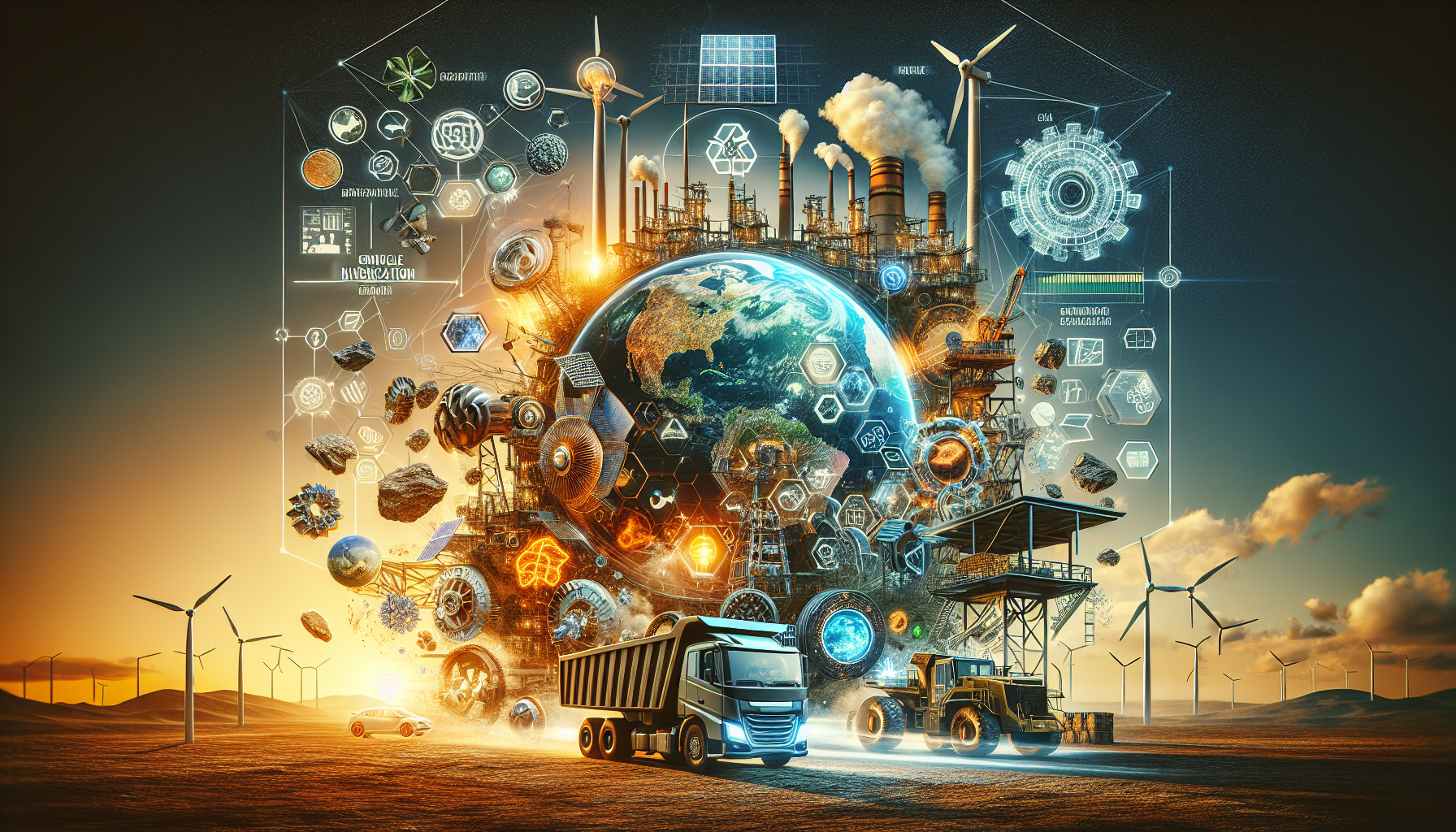
As the world recognizes the strategic importance of rare earth elements, efforts to diversify supply chains are intensifying. Countries like the United States, Australia, and Canada are investing in new mining projects and processing facilities to reduce reliance on China mining. Partnerships between governments and private companies aim to develop alternative sources and secure long-term supplies.
One notable example is Australia’s Lynas Corporation, one of the few rare earth producers outside China. Lynas operates mines in Western Australia and a processing plant in Malaysia, supplying materials to markets in Japan, Europe, and North America. These efforts help buffer the global supply chain against disruptions and foster competition in the rare earth mining industry.
Recycling rare earth elements from electronic waste is another avenue gaining traction. Companies are developing technologies to extract and reuse rare earths from discarded devices, reducing the need for new mining and minimizing environmental impact. While recycling is not yet widespread, it holds promise for making green technology more sustainable in the long run.
Rare Earth Elements and the Future of Sustainable Technology
The future of sustainable technology depends on reliable access to rare earth elements. As the world accelerates its transition to renewable energy and electric vehicles, demand for these materials is expected to soar. Innovations in mining, processing, and recycling will be crucial for meeting this demand without compromising environmental and ethical standards.
Collaborative efforts between governments, industry, and research institutions are driving progress. For example, the European Union has launched initiatives to secure critical raw materials, including rare earths, for its green technology ambitions. Research into alternative materials and more efficient use of rare earths in manufacturing is ongoing, with the goal of reducing dependence on any single source or supplier.
The rare earth supply chain will continue to evolve as technology advances and global priorities shift. Ensuring a stable, ethical, and environmentally responsible supply of these elements is essential for building a sustainable future. As nations compete and cooperate in the rare earth sector, the outcome will shape the landscape of green technology and the fight against climate change.
Real-World Examples: Rare Earths in Action
Rare earth elements are not just theoretical building blocks; they are already at work in everyday life. For instance, the permanent magnets in electric vehicles like those produced by Tesla or BYD rely on neodymium and dysprosium for efficient operation. Wind turbines, such as those installed off the coast of the United Kingdom, use rare earth magnets to generate electricity from the wind.
In the consumer electronics sector, smartphones from brands like Apple and Samsung contain tiny amounts of rare earth elements in their speakers, cameras, and vibration motors. Even the humble LED light bulb uses rare earth phosphors to produce bright, energy-efficient lighting.
These real-life examples illustrate how rare earth elements underpin the technologies driving the green transition. Their importance will only grow as society seeks to reduce its carbon footprint and embrace more sustainable ways of living.
Expert Perspectives on the Rare Earth Battle
Industry experts and climate scientists underscore the critical role of rare earth elements in the global push for renewable energy and sustainable technology. Some have called rare earths the “oil of the 21st century,” highlighting their economic and strategic value.
Esme Stallard, a science and climate reporter, points out that rare earth magnets are vital for increasing the efficiency of electrical power and ensuring the reliability of wind turbines and electric vehicles. Without these materials, the transition away from fossil fuels would be far more challenging.
Policymakers are also keenly aware of the stakes. Efforts to secure rare earth supply chains are seen as essential for national security, economic growth, and climate change mitigation. The ongoing “battle for rare earths” is as much about securing a sustainable future as it is about economic competition.
The Road Ahead: Balancing Growth, Sustainability, and Security
The rare earth mining industry stands at the crossroads of technology, environment, and geopolitics. As demand for green technology accelerates, so does the need for a reliable and responsible supply of rare earth elements. The challenge lies in balancing economic growth with environmental stewardship and ethical sourcing.
Investments in alternative mining methods, recycling, and international cooperation offer hope for a more secure and sustainable rare earth supply chain. The choices made today will determine how effectively society can harness the power of rare earths to combat climate change, drive innovation, and build a greener future.
The journey of rare earth elements from the ground to the heart of green technology is complex, but their impact on the world is undeniable. As the world navigates the challenges and opportunities of the rare earth era, the outcome will shape the path toward a more sustainable, resilient, and prosperous global society.