Introduction: The Unexpected Harmony of Cars and Poetry
When discussing the world of automobiles, most people immediately think of power, speed, and engineering marvels. However, there is a lesser-known but equally captivating side to cars—one that dwells in the realm of art, emotion, and poetic inspiration. The concept of car poems may sound unusual at first, but it beautifully bridges the gap between mechanical innovation and human creativity. Throughout history, cars have been more than just machines; they have become symbols of freedom, status, and even rebellion. This blog explores the fascinating intersection of poetry about cars, automotive innovation, car design, electric vehicles, and the broader car culture that continues to shape society.
By delving into the world of car poetry, the unique artistry of automotive design, and the technological leaps driving the future of cars, this comprehensive exploration aims to reveal how vehicles inspire both the mind and the heart. Whether it is the roar of a classic engine or the silent glide of a modern electric vehicle, cars have always had a story to tell—and sometimes, those stories are best told in verse.
The Roots of Car Poems: Where Wheels Meet Words
Car poems have a rich and varied history, reflecting society’s evolving relationship with the automobile. Early poetry about cars often captured the awe and excitement of a world newly in motion, marveling at the speed and possibilities that cars brought to everyday life. Poets described the thrill of acceleration, the romance of the open road, and the sense of adventure that only a journey by car could provide.
As the decades rolled on, car poems began to reflect more complex themes. The car became a symbol of freedom for some, a status symbol for others, and even a source of environmental concern as issues of sustainable mobility entered public consciousness. Car enthusiasts and poets alike found themselves drawn to the duality of cars: their ability to empower and connect, but also to isolate and pollute.
Famous poets such as Allen Ginsberg and Gary Snyder have woven the imagery of cars into their works, using the automobile as a metaphor for modernity, change, and sometimes, alienation. In contemporary times, poetry about cars often explores the nostalgia of classic vehicles, the excitement of automotive innovation, and the hope for a cleaner, greener future through electric vehicles.
Automotive Innovation: The Engine of Artistic Inspiration
Automotive innovation has always been at the heart of car culture and, by extension, car poetry. Each leap in technology—from the first mass-produced Model T to the latest self-driving electric vehicles—has inspired writers, artists, and car enthusiasts to reflect on what these changes mean for society.
The evolution of car design has provided endless material for poets. The sleek lines of a sports car, the rugged durability of a pickup truck, or the futuristic curves of an electric vehicle can all serve as muses. Automotive art is not limited to visual mediums; it finds expression in the rhythm and cadence of poetry, where the hum of an engine or the shifting of gears becomes a metaphor for life’s journey.
As automotive innovation accelerates, especially with the rise of electric vehicles and autonomous driving, the themes explored in car poems continue to expand. Poets now grapple with questions about the future of cars: Will electric vehicles change the way society experiences the road? How will self-driving technology alter the relationship between driver and machine? These questions fuel not just technological progress, but also creative expression.
Car Design: Where Function Meets Form in Verse
Car design is a discipline that balances engineering precision with artistic vision. Every curve, contour, and color choice tells a story—one that often finds its way into poetry. Car designers are, in many ways, artists who sculpt metal, glass, and plastic into objects of desire and utility. This artistry is a frequent theme in poetry about cars, where the beauty of a well-designed vehicle becomes a symbol of aspiration and achievement.
Modern car design is influenced by trends in both technology and culture. The shift toward sustainable mobility has led to the creation of electric vehicles with aerodynamic shapes and eco-friendly materials. These innovations are not lost on poets, who often use the language of design to explore broader themes of progress, responsibility, and hope for the future of cars.
Classic cars, with their distinctive styles and nostalgic appeal, remain a favorite subject for car enthusiasts and poets alike. The sight of a vintage convertible cruising down a sunlit highway can evoke powerful emotions, inspiring verses that celebrate both the machine and the memories it creates. In this way, car design serves as a bridge between past and present, function and form, utility and art.
Electric Vehicles: A New Chapter in Car Culture and Poetry
The rise of electric vehicles marks a significant turning point in both car culture and the world of car poems. Once seen as futuristic novelties, electric vehicles are now at the forefront of sustainable mobility, promising a cleaner, quieter, and more efficient future for transportation. This shift has not gone unnoticed by poets, who are increasingly exploring the themes of innovation, environmental responsibility, and transformation in their works.
Electric vehicles represent more than just a change in technology; they embody a new philosophy of mobility. The silent hum of an electric motor, the absence of emissions, and the promise of renewable energy all provide rich material for poetry about cars. Writers often use electric vehicles as symbols of hope and renewal, contrasting them with the noisy, polluting cars of the past.
As the market for electric vehicles grows, so does the community of car enthusiasts who appreciate both the technological advancements and the artistic possibilities these vehicles offer. Car design in the electric era emphasizes simplicity, efficiency, and sustainability, inspiring new forms of automotive art and poetic expression. The future of cars is being written not just in code and blueprints, but also in verses that capture the spirit of innovation.
Car Culture: The Social Fabric of Automotive Art
Car culture is a global phenomenon, encompassing everything from weekend car shows and racing events to online communities of car enthusiasts and collectors. It is within this vibrant culture that car poems often find their audience, resonating with those who see cars as more than just machines.
The rituals of car culture—restoring classic vehicles, customizing modern rides, or simply gathering to admire automotive art—provide fertile ground for poetic inspiration. These activities celebrate the craftsmanship, creativity, and community that define the world of cars. Poetry about cars often captures the camaraderie of car clubs, the thrill of the open road, and the pride of ownership that comes with being part of this unique subculture.
Car culture is also a reflection of broader societal trends. The growing interest in sustainable mobility and electric vehicles is reshaping the way people think about cars and their place in the world. Poets are responding to these changes by exploring themes of transition, adaptation, and the enduring appeal of the automobile.
Automotive Art: Visual and Literary Expressions
Automotive art is a broad field that includes everything from sculpture and painting to photography and, of course, poetry. The car has long been a muse for artists, inspiring works that celebrate its beauty, power, and cultural significance. In poetry, the car becomes a symbol—a vessel for dreams, memories, and aspirations.
Visual artists often collaborate with poets to create multimedia projects that explore the intersection of car design and literary expression. These collaborations highlight the ways in which automotive innovation and artistic creativity can complement each other, producing works that are both visually stunning and emotionally resonant.
The popularity of car poems within the poetry community is a testament to the enduring appeal of the automobile as a subject for artistic exploration. Whether celebrating the elegance of a luxury sedan, the ruggedness of an off-road vehicle, or the promise of electric vehicles, poets and artists continue to find inspiration in the world of cars.
Poetry About Cars: Themes and Motifs
Poetry about cars encompasses a wide range of themes and motifs, reflecting the diverse ways in which people experience and interpret the automobile. Some common themes include:
-
Freedom and Escape: Many car poems celebrate the sense of liberation that comes from hitting the open road, leaving behind the constraints of daily life.
-
Nostalgia and Memory: Classic cars often evoke memories of childhood, family road trips, and bygone eras, inspiring verses that blend personal history with automotive imagery.
-
Innovation and Progress: The rapid pace of automotive innovation provides a backdrop for poems that explore the excitement and uncertainty of technological change.
-
Environmental Responsibility: As concerns about climate change and sustainable mobility grow, poets are increasingly addressing the environmental impact of cars, particularly in relation to electric vehicles.
-
Identity and Status: Cars are often seen as extensions of personal identity, and poems may explore the ways in which vehicles reflect social status, aspirations, and self-expression.
These themes are not mutually exclusive; many car poems weave together multiple motifs, creating rich, layered works that capture the complexity of the human relationship with cars.
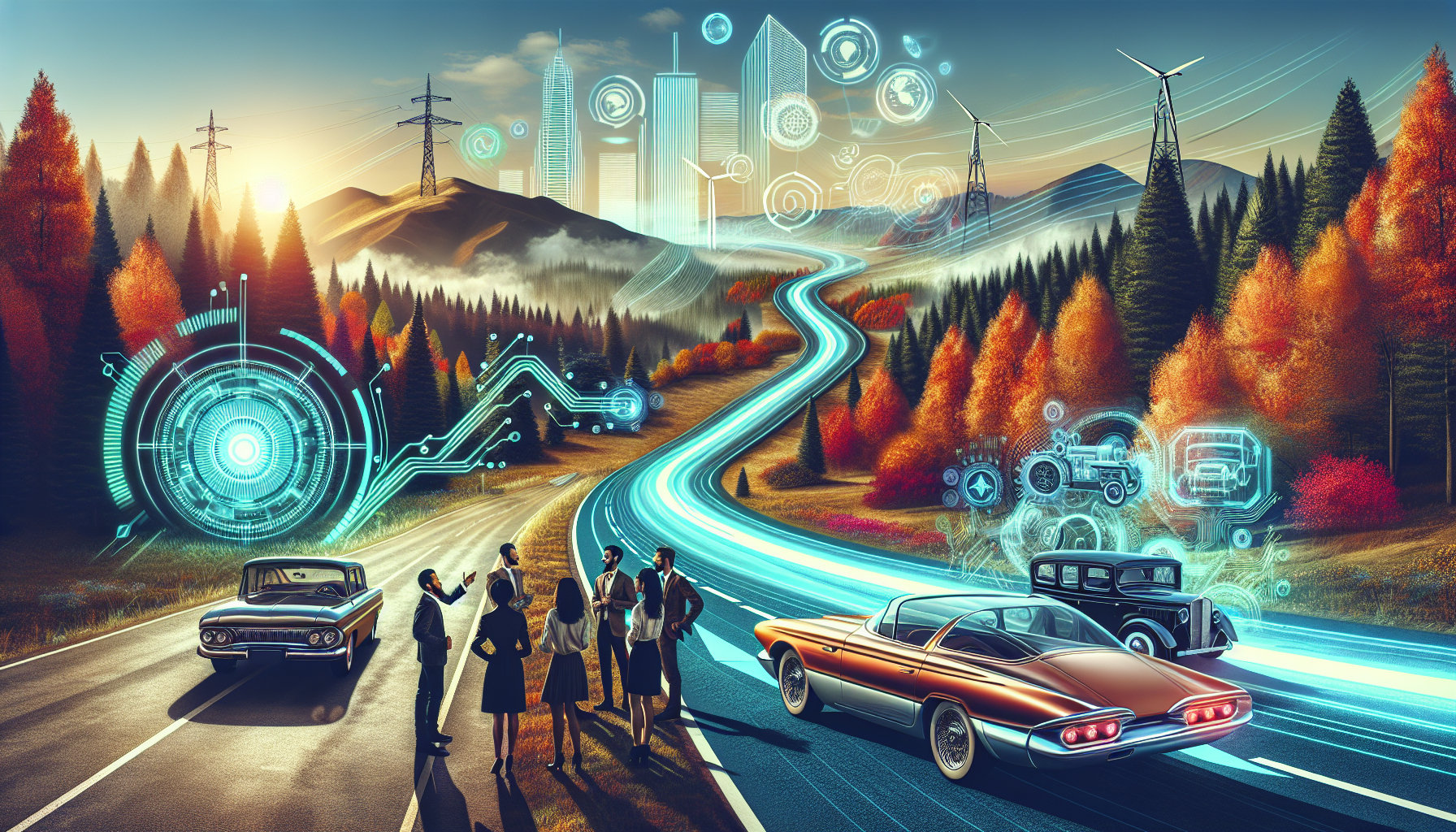
Car Enthusiasts: The Heartbeat of Car Poetry
Car enthusiasts are the lifeblood of car culture and a key audience for car poems. Their passion for automotive innovation, car design, and the future of cars drives the ongoing evolution of both the industry and the art form. Enthusiasts often serve as custodians of automotive history, preserving classic vehicles and passing down stories that inspire new generations of poets and artists.
The community of car enthusiasts is diverse, encompassing collectors, restorers, racers, and everyday drivers who share a love of cars. This diversity is reflected in the poetry about cars, which ranges from technical odes to engineering marvels to lyrical meditations on the beauty of a sunset drive.
Car clubs, online forums, and social media platforms have created new spaces for car enthusiasts to share their passion and creativity. These communities often host poetry contests, art exhibitions, and collaborative projects that celebrate the intersection of automotive art and literature. In this way, car enthusiasts play a vital role in keeping the tradition of car poems alive and thriving.
Sustainable Mobility: Cars in the Age of Environmental Awareness
The concept of sustainable mobility has become increasingly important in discussions about the future of cars. As concerns about climate change and resource depletion grow, the automotive industry is undergoing a profound transformation. Electric vehicles, hybrid technologies, and alternative fuels are reshaping the landscape of car design and car culture.
Poets are responding to these changes by exploring the ethical and philosophical implications of sustainable mobility. Car poems now often address the tension between the desire for freedom and the need for environmental responsibility. The imagery of electric vehicles and renewable energy sources provides new metaphors for hope, renewal, and the possibility of a better future.
Sustainable mobility is not just a technical challenge; it is also a cultural and artistic one. The shift toward greener transportation requires a reimagining of what cars mean to individuals and society. Poetry about cars can play a powerful role in this process, helping to articulate new values and aspirations for the future of cars.
The Future of Cars: Innovation, Imagination, and Inspiration
The future of cars is being shaped by a convergence of technological innovation, cultural change, and artistic expression. As electric vehicles become more mainstream and autonomous driving technology advances, the possibilities for car design and automotive art are expanding rapidly.
Poetry about cars is evolving alongside these changes, embracing new themes and forms. The rise of digital media has made it easier for poets and car enthusiasts to share their work, creating a vibrant online community dedicated to exploring the relationship between cars and creativity.
Looking ahead, the future of cars promises to be as dynamic and inspiring as its past. The ongoing dialogue between automotive innovation and artistic imagination ensures that the car will remain a powerful symbol in both technology and literature. Whether through car poems, automotive art, or cutting-edge design, the story of the automobile continues to unfold, inviting new generations to dream, create, and explore.
Highlights: Memorable Car Poems and Their Impact
Several car poems have left a lasting mark on both the poetry community and car culture. Works like “Song of the Open Road” by Walt Whitman, though not exclusively about cars, capture the spirit of freedom and adventure that would later become central to car poems. More recent works, such as “Driving Alone” by Jack Kerouac, use the car as a metaphor for solitude and self-discovery.
These poems resonate with readers because they tap into universal experiences: the thrill of movement, the allure of the unknown, and the search for meaning on the road. By blending automotive innovation with poetic expression, these works highlight the enduring appeal of cars as both machines and muses.
Car enthusiasts often cite these poems as sources of inspiration, reflecting the deep connection between automotive art and the written word. The impact of car poems extends beyond literature, influencing car design, advertising, and even the way people think about sustainable mobility and the future of cars.
Key Players: Influential Figures in Car Poetry and Automotive Art
The world of car poetry and automotive art is shaped by a diverse cast of key players, including poets, designers, engineers, and car enthusiasts. Notable figures such as Allen Ginsberg, Jack Kerouac, and Gary Snyder have all contributed to the genre, using the car as a central motif in their work.
On the design side, visionaries like Harley Earl and Giorgetto Giugiaro have redefined car design, creating vehicles that are both functional and beautiful. Their work has inspired countless poems and works of automotive art, underscoring the close relationship between engineering and creativity.
In the realm of electric vehicles and sustainable mobility, innovators like Elon Musk have pushed the boundaries of what cars can be, inspiring a new generation of poets and artists to imagine the future of cars. These key players demonstrate that the intersection of technology and art is a fertile ground for innovation and inspiration.
Expert Quotes: Perspectives on Cars, Poetry, and Innovation
Experts from both the automotive and literary worlds have weighed in on the unique relationship between cars and poetry. Design legend Giorgetto Giugiaro once remarked, “A car is the most beautiful sculpture you can see in motion.” This sentiment is echoed by poets who see the automobile as a symbol of freedom, possibility, and transformation.
Literary critic Harold Bloom observed, “The car in American poetry is more than a machine—it is a vessel for dreams, ambitions, and the open road.” This perspective highlights the enduring appeal of cars as subjects for artistic exploration.
Automotive engineer Mary Barra has noted, “Innovation in car design is not just about technology; it’s about creating an emotional connection.” This idea resonates with poets who use the language of cars to explore themes of identity, change, and aspiration.
Match Analysis: Comparing Classic and Contemporary Car Poems
A comparison of classic and contemporary car poems reveals both continuity and change in the way poets approach the subject. Classic car poems often focus on the thrill of speed, the beauty of design, and the sense of adventure that comes with driving. These works celebrate the car as a symbol of progress and possibility.
Contemporary car poems, by contrast, tend to explore more complex themes, such as environmental responsibility, sustainable mobility, and the impact of technology on society. The rise of electric vehicles and autonomous driving has introduced new motifs and metaphors, reflecting the changing landscape of car culture.
Despite these differences, both classic and contemporary car poems share a common fascination with the automobile as a source of inspiration. Whether celebrating the past or imagining the future of cars, poets continue to find meaning and beauty in the world of wheels.
The Role of Car Poems in Shaping Car Culture
Car poems play a significant role in shaping car culture, influencing the way people think about, talk about, and experience automobiles. By capturing the emotional and symbolic dimensions of car ownership and driving, poetry about cars helps to define the values and aspirations of car enthusiasts.
Car poems also serve as a bridge between different communities, bringing together engineers, designers, artists, and everyday drivers in a shared appreciation of automotive innovation and art. These works foster a sense of connection and belonging, reinforcing the idea that cars are more than just machines—they are cultural icons.
As the automotive industry continues to evolve, car poems will remain an important part of the conversation, offering new perspectives on the challenges and opportunities facing the future of cars.
Conclusion: The Endless Road Ahead for Cars and Poetry
The journey of cars and poetry is far from over. As automotive innovation continues to reshape the landscape of transportation, the themes explored in car poems will evolve to reflect new realities and aspirations. Electric vehicles, sustainable mobility, and the future of cars offer endless possibilities for creative expression and artistic exploration.
Car enthusiasts, poets, and designers will continue to find inspiration in the beauty, power, and symbolism of the automobile. Whether through verses that celebrate the thrill of the open road or poems that grapple with the challenges of environmental responsibility, the intersection of cars and poetry will remain a vibrant and dynamic space.
In the end, the story of cars is a story of human ingenuity, imagination, and desire. Through poetry and art, this story is brought to life, inviting all who love cars to join in the journey—one verse, one mile, and one dream at a time.